You've done the stretching. You've paid attention to your posture. Maybe you've tried physical therapy, injections, or even surgery.
And yet, your back still flares up.
Sometimes you can point to exactly what happened. You spent hours gardening, carried something heavy, or sat in the car for way too long.
But what about the days when you didn't do anything unusual?
You wake up feeling fine, go about your normal routine, and somehow end the day with an angry back.
It's frustrating. And if you've been dealing with recurring back pain for years, you may have started to believe these flare-ups are simply unpredictable.
But here's a question you might not have considered:
Could what's on your plate be playing a role?
What Does Food Have to Do With Back Pain?
I know. Food and back pain don't exactly seem related.
When your back hurts, your first instinct probably isn't to think about what you ate for lunch. You're thinking about your spine, your muscles, or whether you moved the wrong way.
And those things absolutely matter.
But your back isn't operating independently from the rest of your body.
Your nutrition habits can influence several processes involved in overall health and recovery, including inflammation, blood sugar regulation, and the availability of nutrients your body needs to maintain and repair tissues.
That doesn't mean a particular food caused your back pain. And it certainly doesn't mean changing your diet will fix a structural spinal problem.
It means nutrition may be another piece of the picture worth exploring.
1. Nutrition and Inflammation: What's the Connection?
Inflammation is a normal and necessary part of your body's defense and repair processes.
The problem isn't inflammation itself. It's when inflammatory activity becomes excessive or persists longer than it should.
Research suggests that dietary patterns can influence inflammatory markers in the body. For example, eating patterns rich in vegetables, fruit, whole grains, legumes, nuts, and sources of unsaturated fats are generally associated with better cardiometabolic health and, in some studies, lower markers of chronic inflammation.
Chronic low back pain is complex, but inflammatory processes can contribute to certain types of pain.
Here's the important distinction: We cannot assume that a particular meal causes a back flare-up simply because inflammation and pain are connected.
However, consistently supporting your body with nutritious foods is a reasonable part of a broader approach to health, particularly when you're managing a recurring condition.
And no, that doesn't require giving up everything you enjoy eating.
2. Blood Sugar Regulation Matters, Too
Let's say you skip breakfast because you're running late.
By lunchtime, you're starving. You grab whatever is convenient, rush through your meal, and spend the afternoon feeling sluggish.
Sound familiar?
Your body works to keep blood glucose within a healthy range throughout the day. What you eat, how much you eat, your activity level, sleep, and stress can all influence that process.
Poor glucose regulation over time is associated with metabolic and inflammatory changes that can affect overall health.
But here's where I want to be careful: A normal blood sugar rise after eating is not evidence that you've triggered a back-pain flare-up.
Rather than worrying about every glucose fluctuation, focus on habits that support steady energy and adequate nutrition.
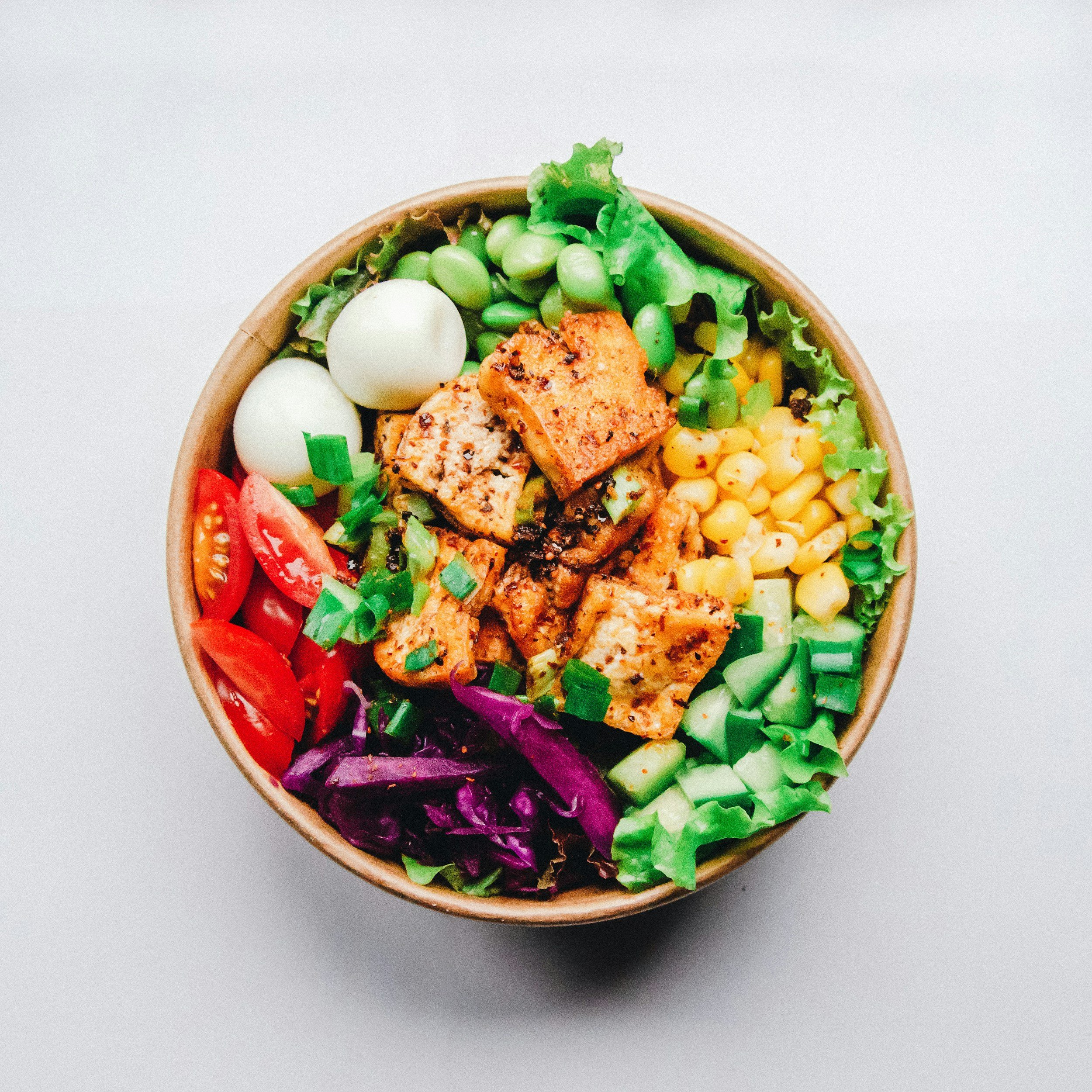
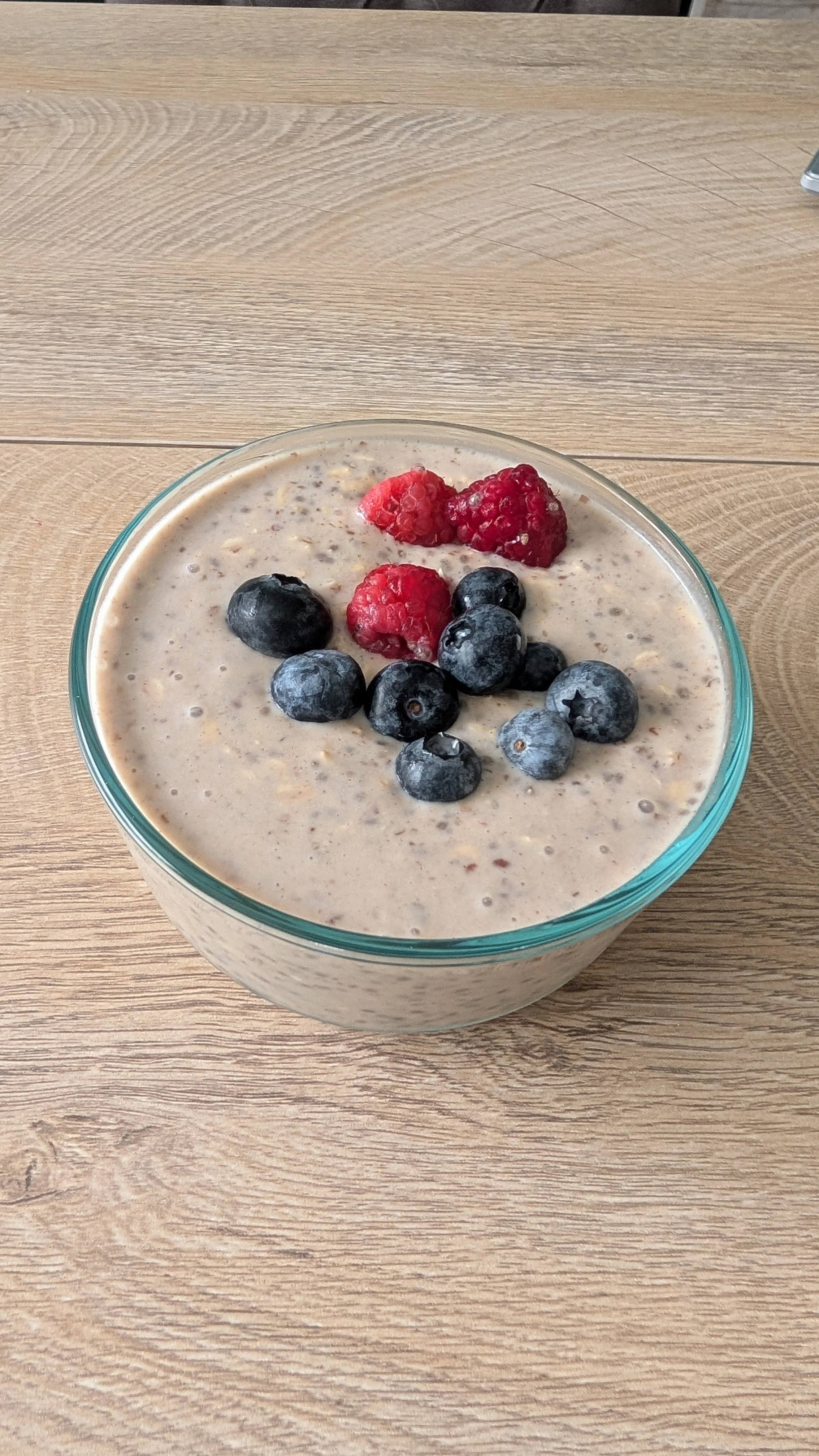
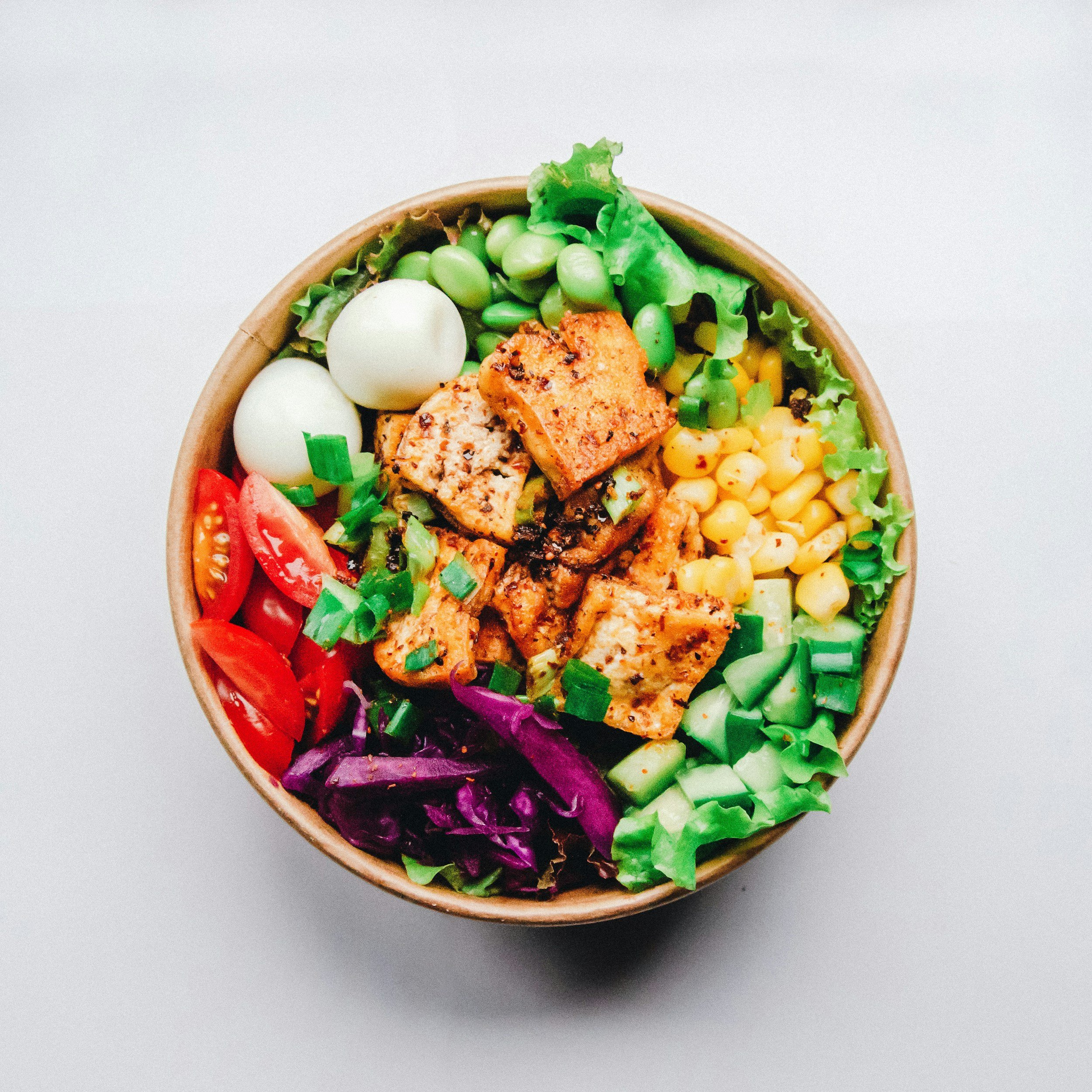
One simple place to begin is building meals with a combination of protein, fiber-rich carbohydrates, and healthy fats.
For example:
Oatmeal with berries, chia seeds, and a protein source
Grilled chicken, roasted vegetables, and brown rice
A tuna bowl with beans, vegetables, and olive oil
And YES, carbohydrates belong on your plate! Your body needs energy, and many carbohydrate-containing foods provide important fiber, vitamins, and minerals.
The goal is balance, not restriction.
3. Your Eating Patterns May Tell You More Than One Meal
Sometimes we're so focused on individual foods that we overlook the bigger picture.
Think about how your routine changes during a stressful week.
Maybe you're skipping meals, drinking more coffee, grabbing convenient snacks, and sleeping less.
By Friday, your back feels worse.
Was it something you ate? The stress? Poor sleep? Less movement? A combination?
You can't determine the cause from that pattern alone.
But it may be worth paying attention to.
This is one reason I encourage looking at nutrition alongside sleep, stress, digestion, and activity rather than treating each as a completely separate issue.
Our daily habits overlap. And when we're trying to understand recurring symptoms, that broader context can be useful.
4. How to Start Looking for Patterns Without Overcomplicating Everything
Before you start eliminating foods or completely overhauling your diet, try something simpler.
For the next week or two, make a few quick notes about:
Your meals: What and when did you eat? Were you skipping meals or eating regularly?
Your back pain: When did symptoms increase? What were you doing around that time?
Your sleep: Did you sleep well the night before?
Your stress: Was it a particularly demanding day?
Your activity: Did you sit longer, exercise differently, or do something physically demanding?
You don't need to track every calorie, weigh your food, or turn your life into a science experiment.
You're simply gathering information.
And remember, noticing that two things happen together doesn't prove that one caused the other. Persistent or changing symptoms deserve appropriate medical evaluation.
5. Start With the Foundations, Not a List of Foods to Avoid
If you've been dealing with back pain for years, I understand the temptation to try something drastic.
But you don't need another overwhelming list of rules.
Instead, consider starting with a few manageable habits:
Eat regular, satisfying meals when possible.
Include protein and fiber-rich foods throughout the day.
Eat a variety of colorful fruits and vegetables.
Choose nutritious fats, such as olive oil, seeds, and foods containing omega-3 fats.
Pay attention to hydration.
Support your nutrition efforts with adequate sleep, appropriate movement, and stress-management habits.
These aren't miracle fixes. They're foundational habits that support overall health.
And small, consistent changes are often much easier to sustain than an aggressive plan that lasts two weeks.
Your Back Is Part of a Bigger Picture
Back pain is rarely as simple as we'd like it to be.
Sometimes there are clear structural or mechanical contributors. Sometimes the nervous system, sleep, stress, and other aspects of health influence the experience of pain.
Nutrition belongs in that broader conversation, too.
It isn't a replacement for medical care, physical therapy, or other appropriate treatments. It's another area where you may have opportunities to support your body.
So the next time your back flares up and you find yourself saying, "But I didn't even DO anything!" consider looking beyond movement alone.
Not because your lunch is necessarily to blame.
But because understanding your patterns may help you make more informed decisions about your health.
Want to Explore What Else Might Be Overlooked?
Nutrition is just one part of the bigger picture.
Download my free guide, 7 Unexpected Reasons Your Back Pain Keeps Flaring Up, to explore other lifestyle factors that may be worth paying attention to.
If this resonates with you, follow along on Instagram at @alera_functional_health where I share more root-cause health and inflammation support strategies.
If you’d like a personalized plan that fits your life and helps you feel your best, I’m here to help. Interested in learning more about how you can optimize your health and finally find relief from your symptoms? Schedule a free Discovery Call with me by clicking here.

About The Author
Erin Briley is a Certified Functional Nutrition Coach and founder of Alera Functional Health. She helps people with recurring back pain look beyond the spine to identify often-overlooked factors that may be influencing how they feel, including nutrition, sleep, stress, digestion, inflammation, and recovery.
After experiencing years of chronic back pain, multiple surgeries, and a failed spinal fusion herself, Erin understands how frustrating it can be when pain continues to interfere with the things you want to do. Her approach focuses on practical, sustainable changes that support the whole body and help clients better understand their individual patterns, so they can spend less time organizing their lives around back pain.